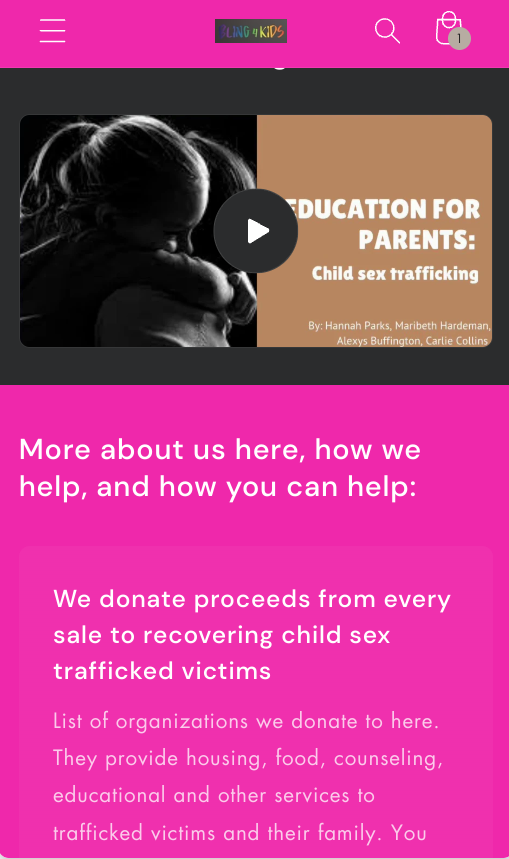
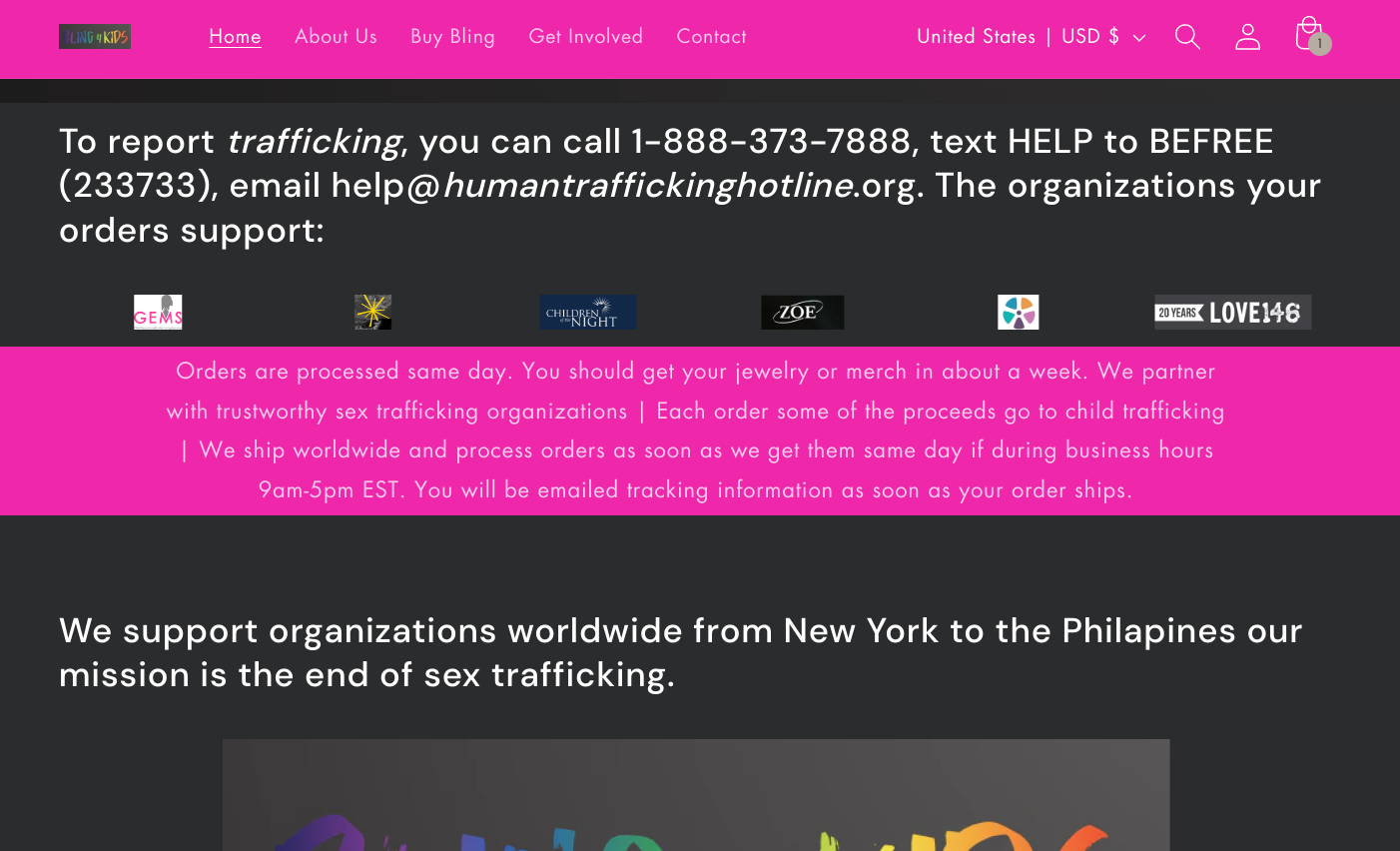
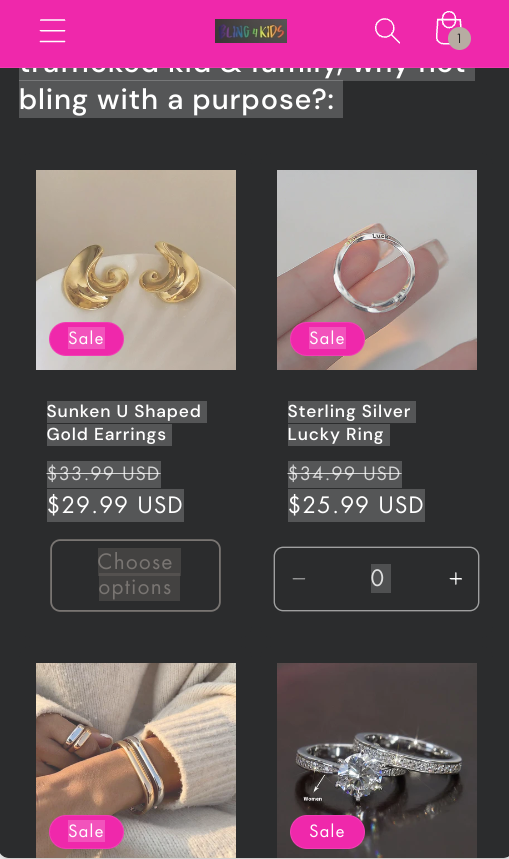
Before contacting users Bling4Kids wanted me to conduct a Competitive Audit (Competitive Analysis). I did three direct and one indirect audit on other companies using Excel. The audit helped me to gain more knowledge on the importance to not only know what the competition is doing once. But continuously know what is out there for the public to choose to so you can see weaknesses as a company and make changes accordingly. In my analysis I looked at both the website and also did some online research on each company/organization. There is a moderate amount of competition worldwide with entities similar to Bling4Kids.
We did a competitive audit and what I learned from Purpose Jewelry is the importance of reputation. They were seen in many high profile magazines. I also learned the importance of first impression. The image people see first when they visit your site can make a huge difference. That image is what comes to my mind when I think of the site. A beautiful girl who is wearing jewelry and it seems like she was saved from sex trafficking and now is wearing and selling her jewelry. I think it’s important for the users to care about the people they are helping.
If they don’t feel connected or would want to be connected in some way with who they see themselves as helping they may not really care to take action. Connection to who the organization helps can effect first or overall impression. What I learned from Star Project and Brave Collection is the importance of fixing grammar errors, using high pixel images as well as website responsiveness. Making sure all parts of your website responds. If you click a link at the bottom there is a reaction. That the images don’t show up only high quality on mobile but on desktop show up as very low pixel quality. Constancy a cross the board is important.
When I first visited Swappa a indirect competitor the site did not look high quality and legit. It has a simple website template often use in drop shipping or varies stores. Nothing about it stood out or made it look like legit to me. I Google searched and immediately every link that came up said it is legit and one of the safest places to buy quality used electronics. They also have over 100 locations worldwide which made it seem more trustworthy as well.
What I noticed is what stood out to me was anything wrong over what was right. Often users look for signs of a scam, and one error can be all it takes for them to not move forward with the business or organization.
Empathize Stage: I contacted subscribers via email to see if any of them would be willing to take an online survey. Pre-screening survey that would rule out visitors who were on the site for site research purposes, B2B reasons etc. It asked if they would be willing to have a brief phone survey at the end. I contacted 5 people who will willing to do phone interviews with me.
I conducted interviews via the phone that were centered on how the users felt, what they thought, what they saw and what they did when on the Bling4Kids website. My goal was to be judgement free, empathetic, connective and supportive. I wanted users to know there are no right or wrong answers.
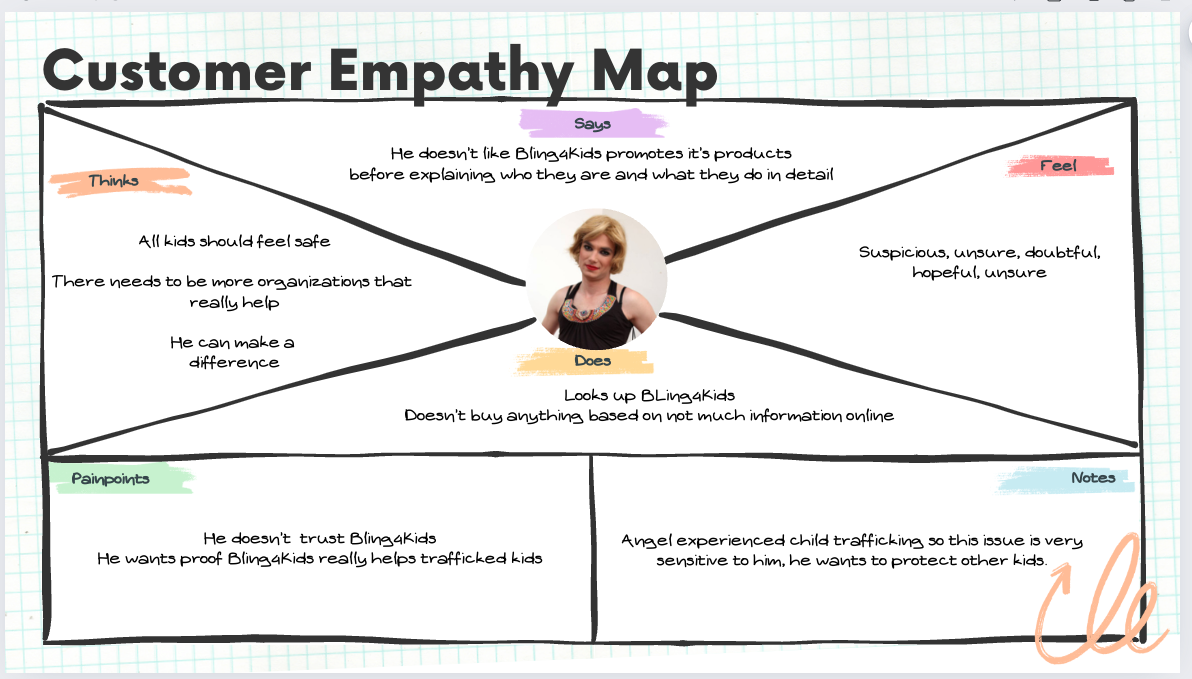
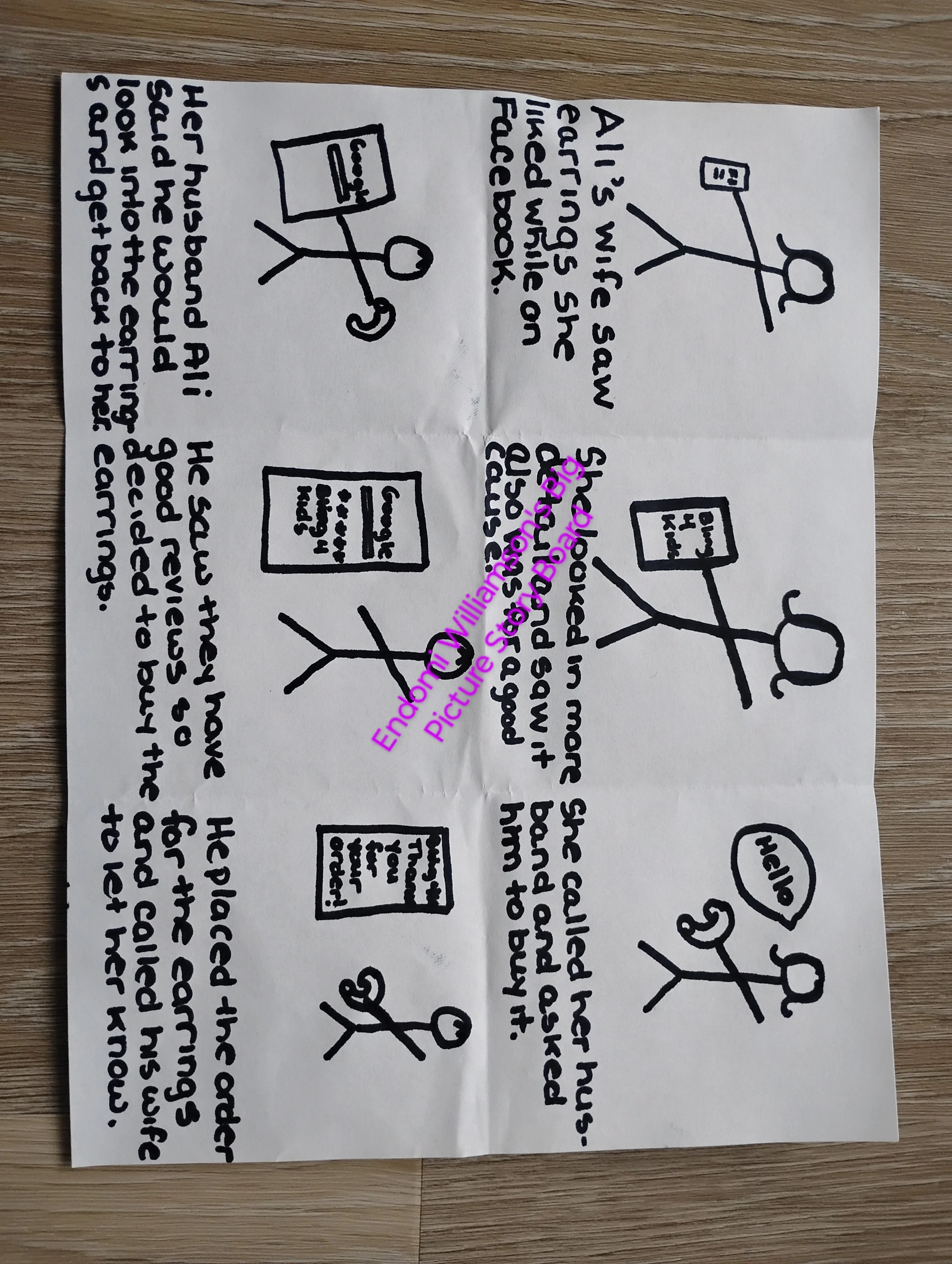
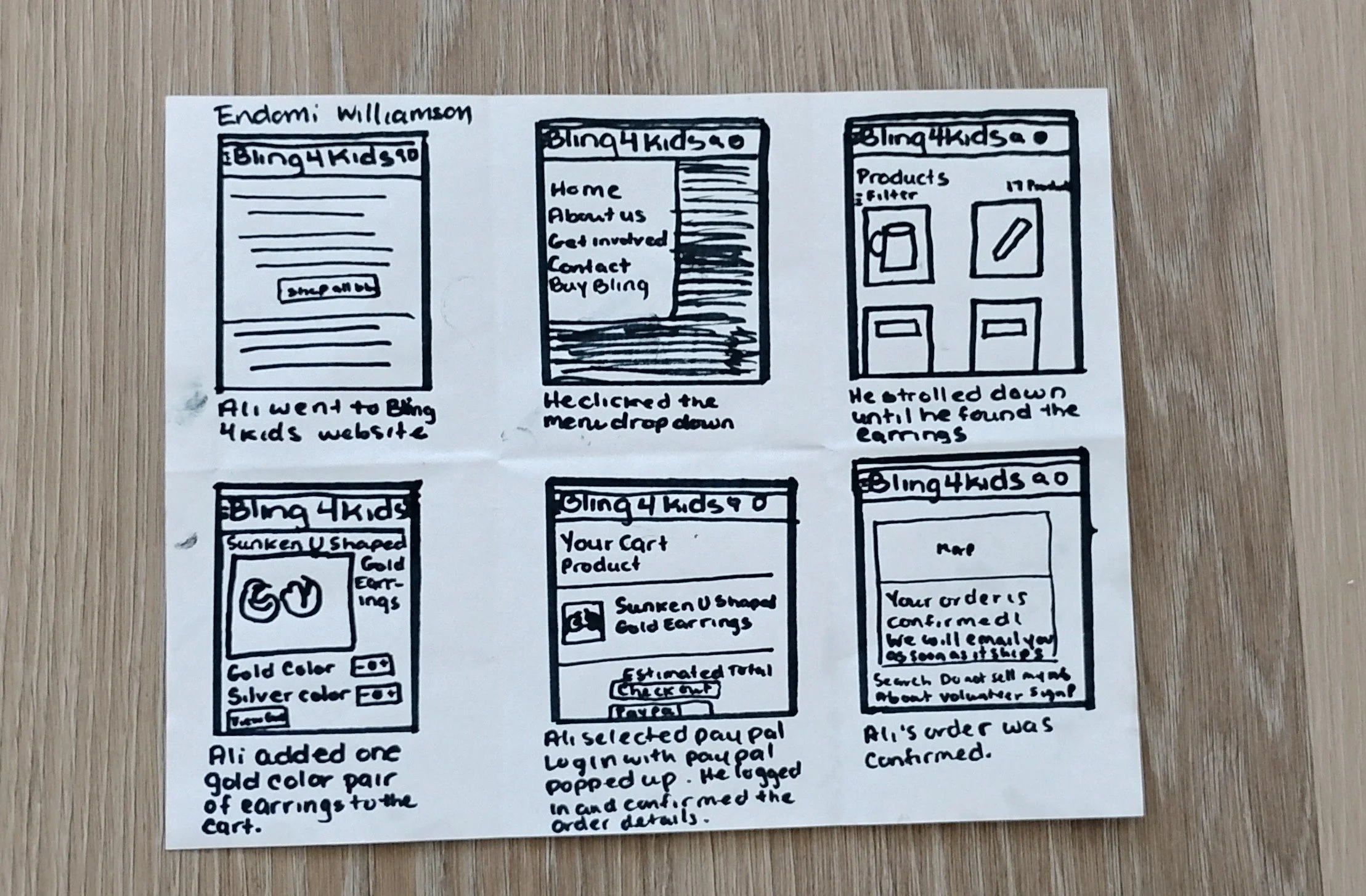
I created empathy maps to understand what each user was thinking, feeling, seeing and doing, as well as why. See Ali as a example below. What I learned from the empathy maps is often a users personal past can play a big role in why they do or do not spend money on something. Reputation is also very important. For example Ali, did not buy anything at first. He googled to see what the reputation was at first and after seeing it was little reputation he was hesitant about buying from the site. What he thinks, says, does and feels are all connected. My goal is to empathize not sympathies. Also Ali represents a user who was not a initial focus or may of been over looked in the design process as a married cross dressing male who experienced trafficking in the past. Ali’s hesitation is due to trust of Bling4Kids and the need to have more information of where exactly is money is going and in what way will it help. He wanted to know how much will be donated and just to feel a sense of confidence with Bling4Kids.
See my above empathy map here
One thing that came up over and over again is that overall users did not like that as soon you go to the site they felts pressured to buy something since the first thing you see is the jewelry and how it will help end trafficking, with out knowing more about the company. Another pattern that I saw was the trust factor. Four out of five users felt like they couldn’t trust Bling4Kids. Because of the limited information about them online and the fact that they never heard of them.
After I gathered all the information from the users and allowed them to also give additional comments and feedback, I created the user personas. This is where I could represent the users wants, needs, pain points and story easily to stakeholders and team members.
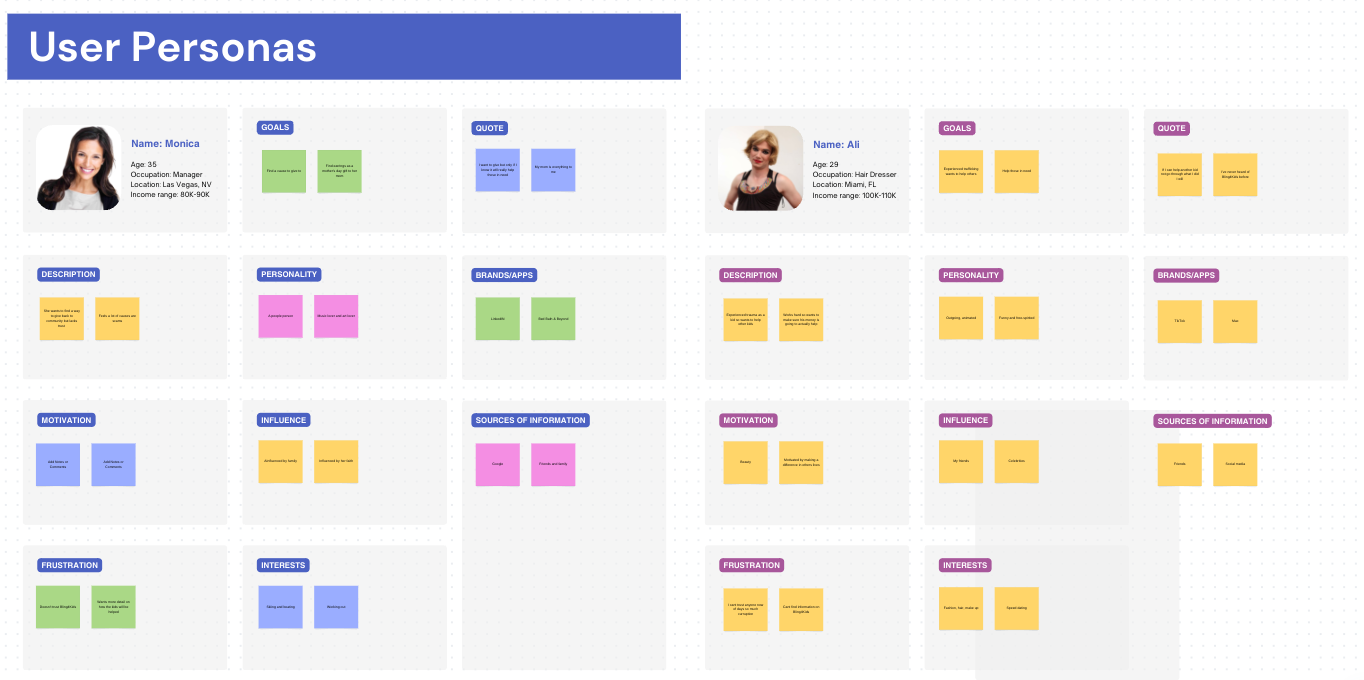
Let’s look deeper into user personas. User personas were created to bring to life through story telling, users concerns. Below are two personas: Monica a Manager at a law firm who want’s to find ways to give back to causes she cares about but also lacks trust and felt pressure to buy upon visiting the site. She feels like there needs to be more information and detail of what exactly Bling4Kids does and what kids they help. She did like the resources they have on their websites where she can sign petitions. Such as petitions holding Facebook accountable for not doing more to end trafficking through facebook, the petition to end sites like pornhub and more. She also likes the volunteer opportunities and community service like public conferences and events on Bling4Kids to help end child trafficking. She felts that helped the site seem more legit.
Next persona is Ali a hair stylist. He is also a cross dresser who has experience being trafficked as a kid. He is drawn to this site buy has trust issues around wither or not it is legit and doesn’t like the pressure to buy before educating him on what exactly they doI presented the information I gathered to stake holders. My findings was that users wanted to know more before being solicited to buy and they wanted to know how they could trust Bling4Kids with so many scams out there. We began to Brainstorm on what the next steps should be. It was like. This is what the user thinks, now what should we do about it. What’s the next step? Bling4Kids has decided to work on their online reputation online. They plan to team up with reputable sources so that they can build trust with the public.
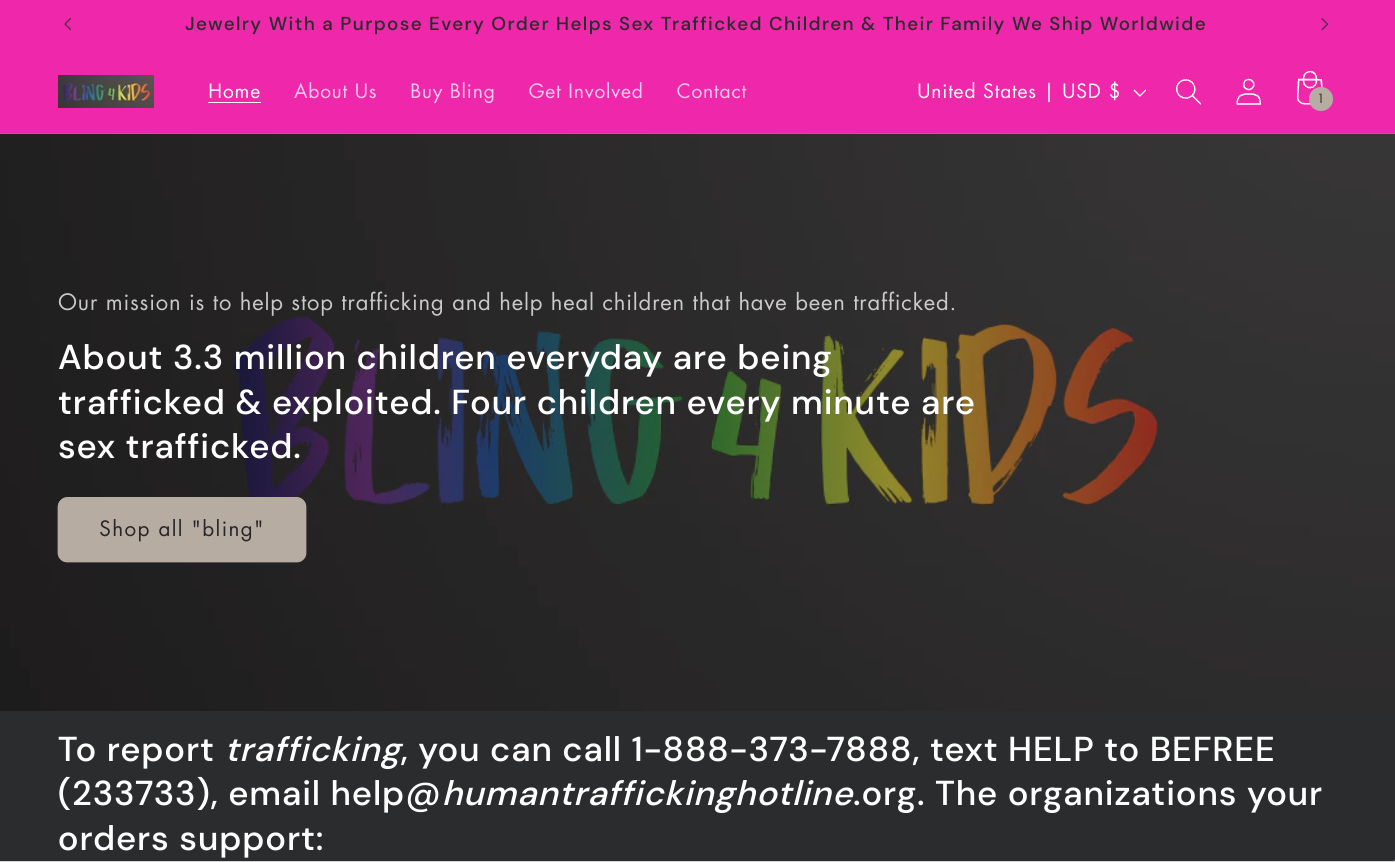
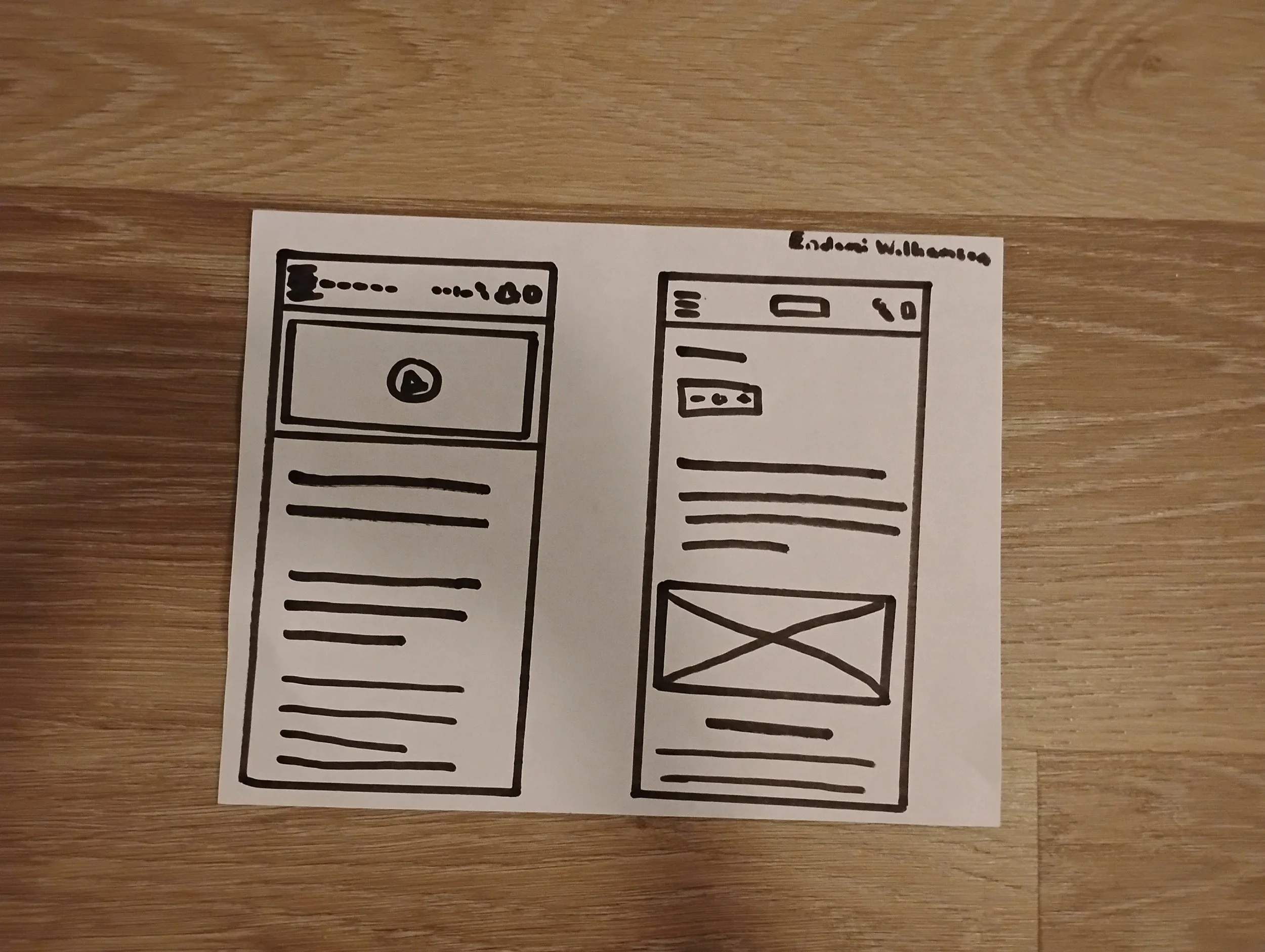
When it comes to the design changes. They decided to not display what they sell once a person visits the site, but let the user go to main menu and initiate viewing products for sale. The goal was not to guilt trip or force the user. But to create a enjoyable experience so they will want to repeat those same feelings again and buy again. If they are pressured into a sale and feel anger after. the anger could be the lingering feeling they feel every time they think of the website. The goal is making the customer happy and keeping them happy.
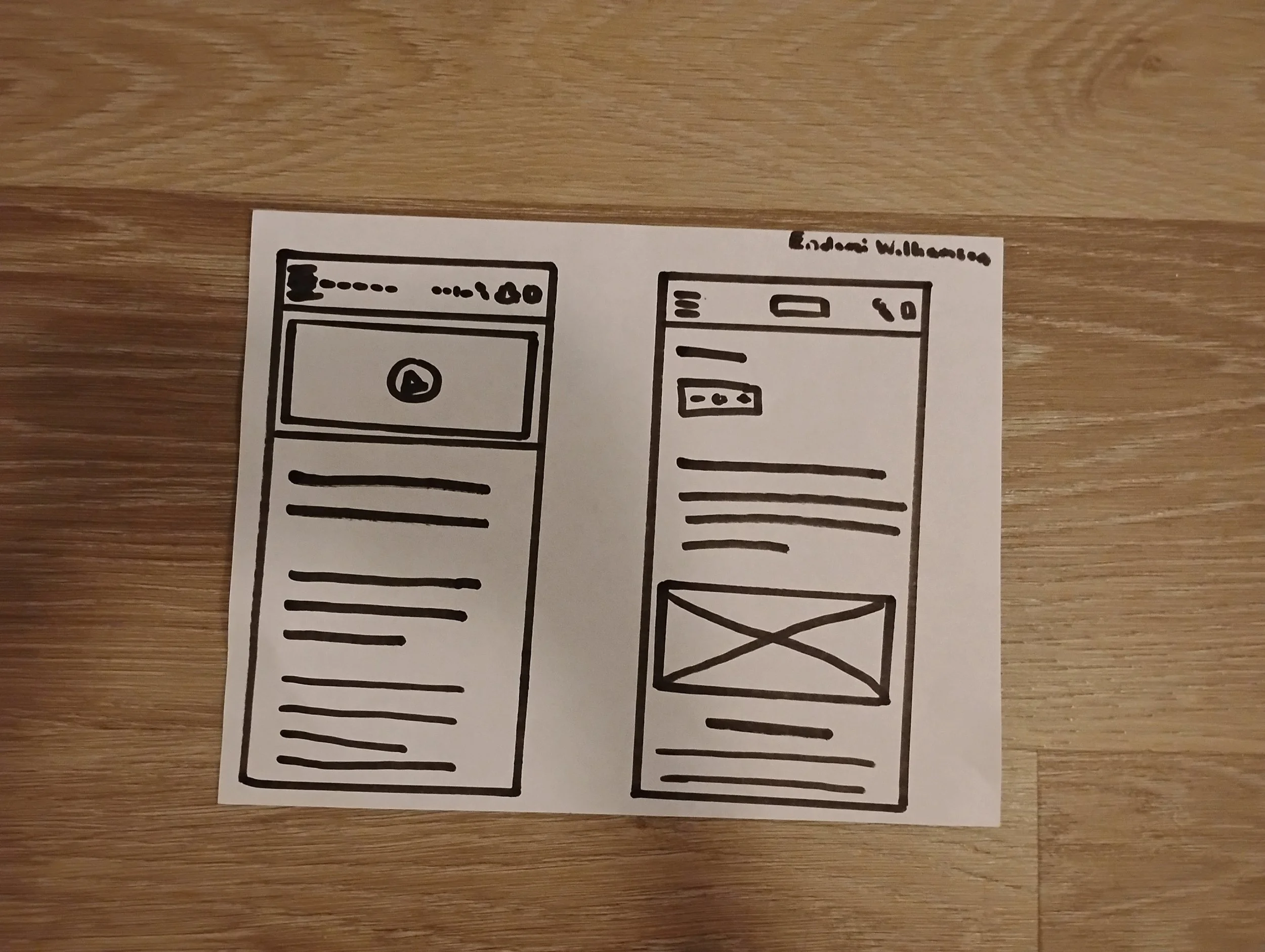
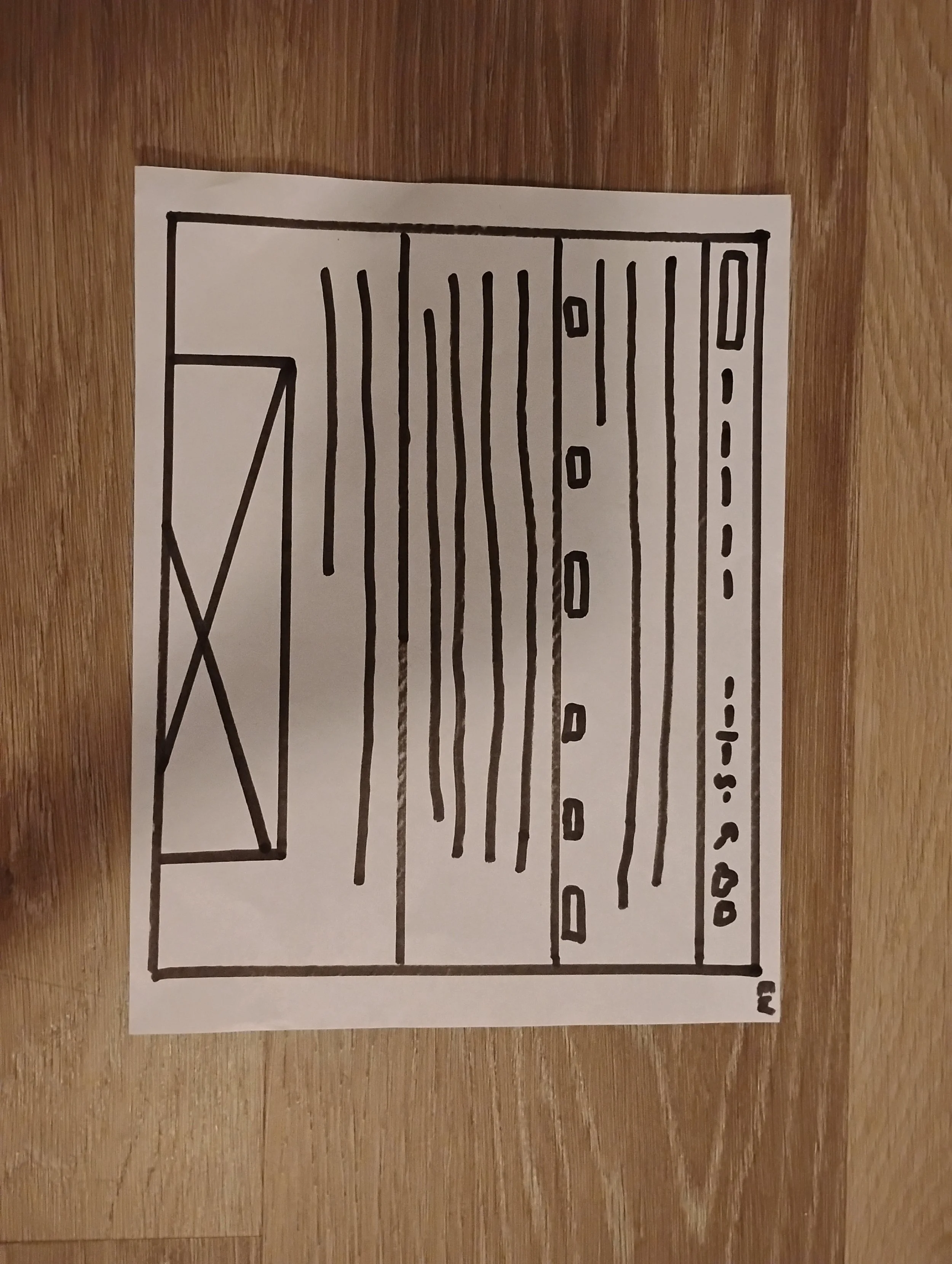
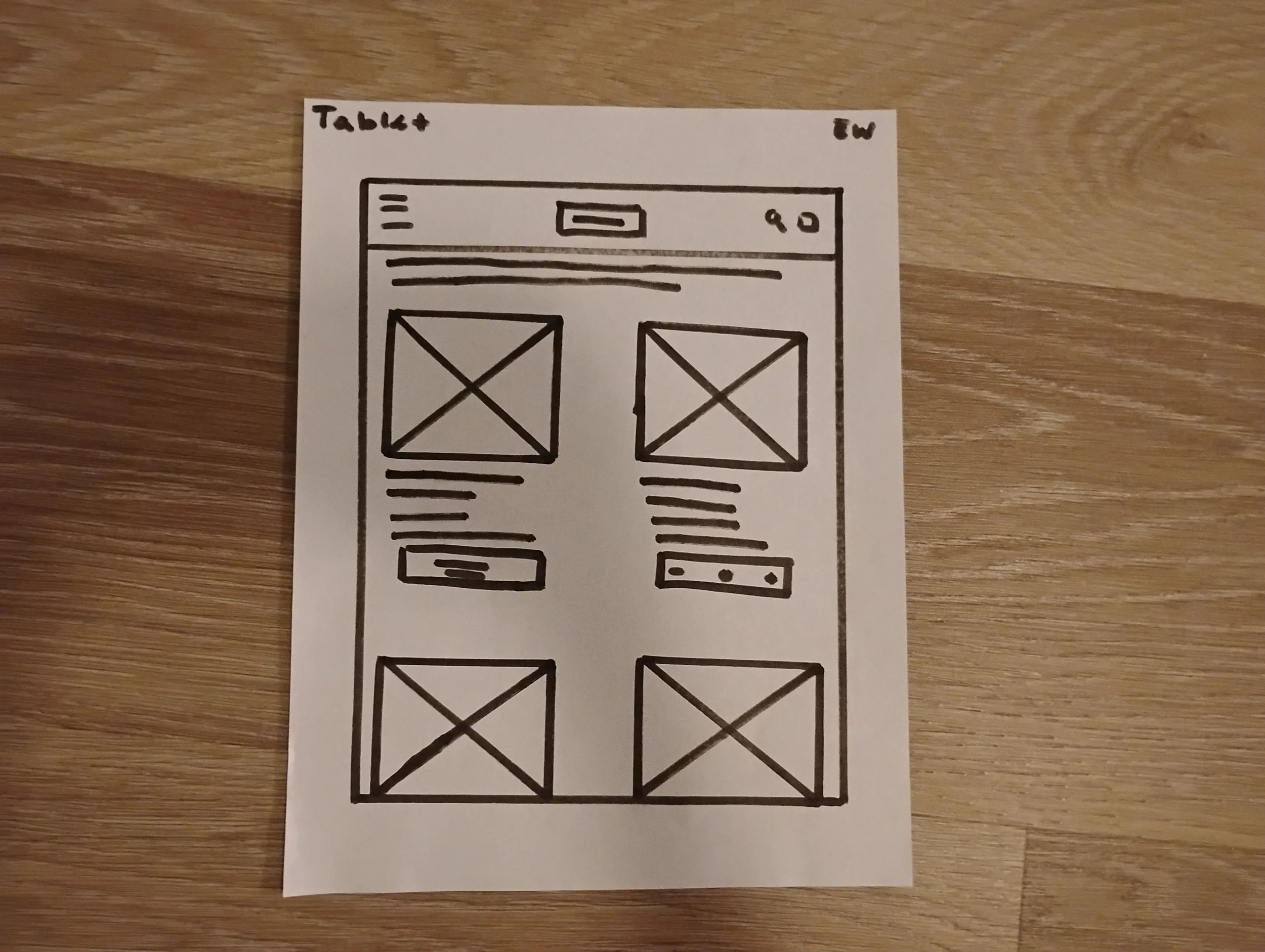
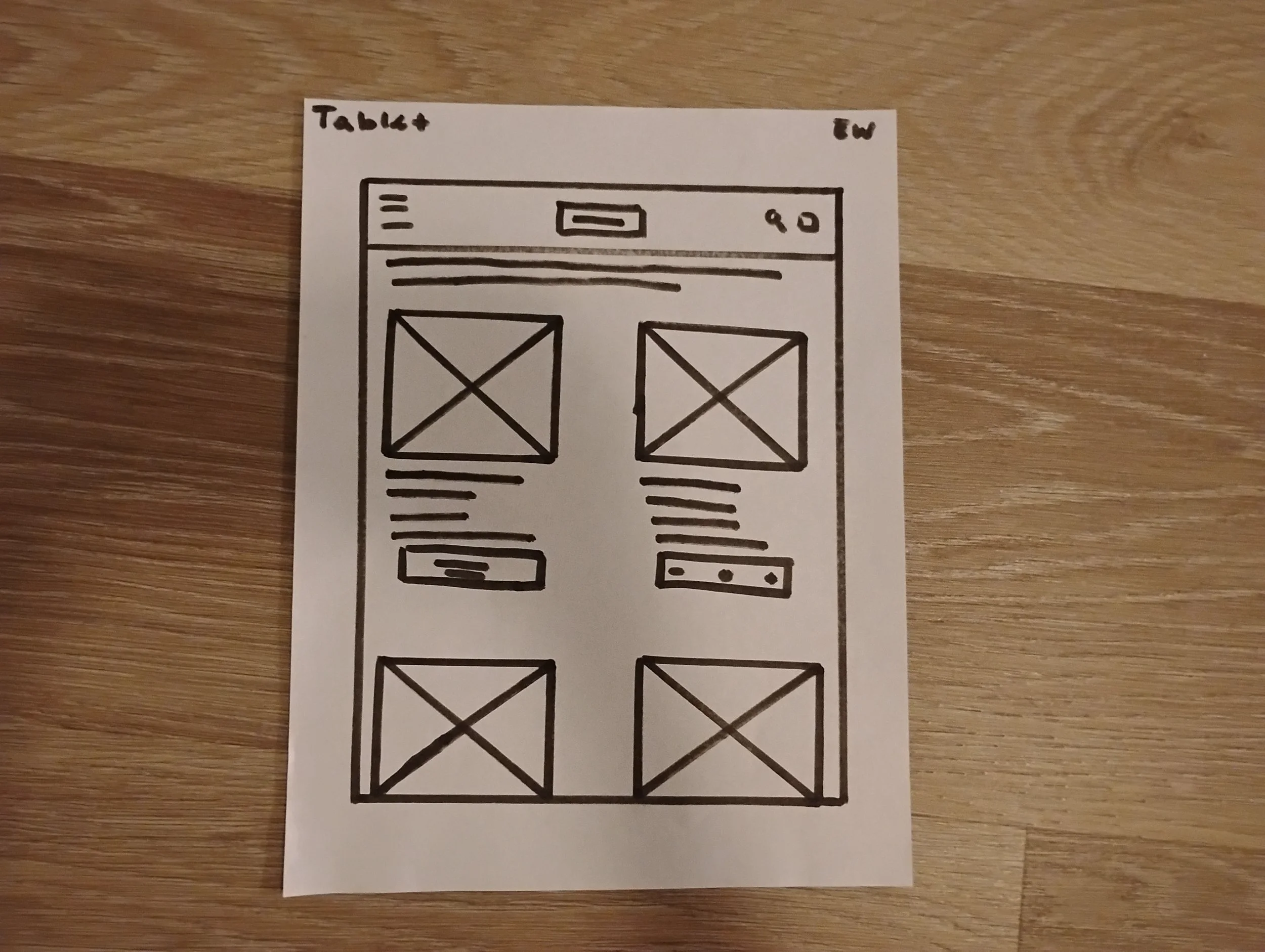
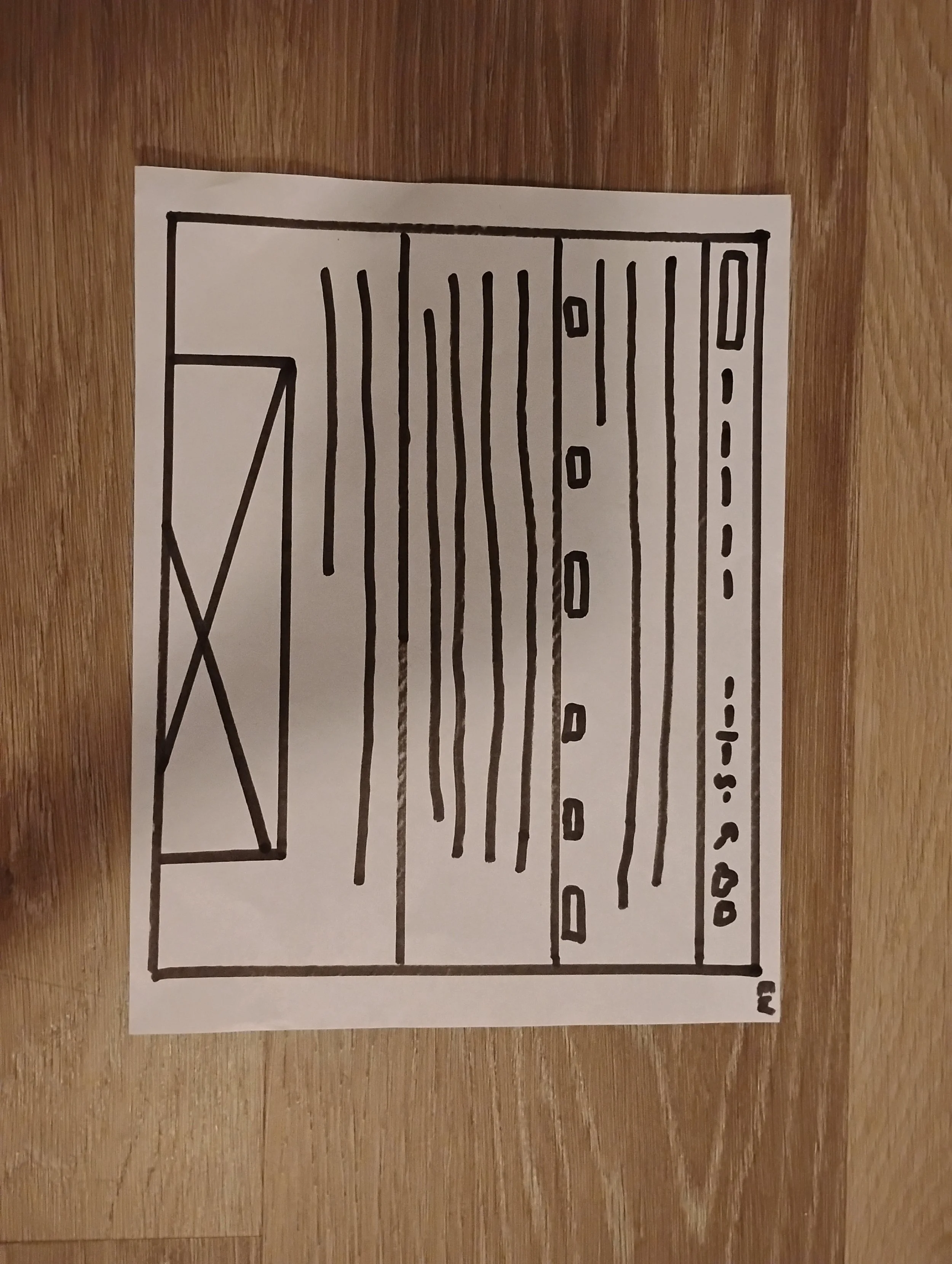
After we knew the next steps I created wire frames of what the changes would look like below and presented to the stake holders for review and approval or possibly another meeting. I did mobile wire frames, desktop and tablet wire frames.